


7 Ways to Fix Your Credit

- It's possible to overcome bad credit in less time than you might think.
- Making payments on time and paying down debt affect the two most important credit score factors -- payment history and credit utilization.
- Serious credit problems might require professional help.
Table of Contents
Free up cash each month with Freedom Debt Relief
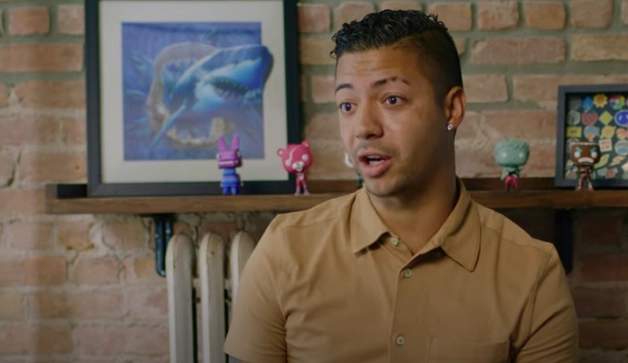
Ozzy S., Freedom client²
“Right away, I had more money each month because of program costs so much less than what I was paying on my minimums.”


Many people think it’s unnecessary to worry about their credit score. After all, lots of people have debt and less than stellar credit, but they seem to be enjoying a cushy lifestyle. So, if you’re able to buy the things you want, why should you be concerned? The answer is simple: life can be much easier when you have good credit.
Credit affects your ability to rent a home, buy a car, get a mortgage, and even get a job. Landlords and lenders all want to see how you manage your finances. They may look at your credit score or your credit report to assess your financial situation. Creditors may be hesitant to work with people who have bad credit because the risk of not getting paid is high. Even potential employers can look at your credit report (but not your credit scores) as part of a background screening.
If your credit is already shaky, read on for ways to start fixing your credit score and reestablish your financial well-being.
1. Make Your Payments on Time
We all know that money can be tight and it can be tempting to skip payments on one bill to help pay for other expenses. But timely payments are the biggest factor affecting your credit score, and just one missed payment can negatively affect your score. Keep a budget, set reminders, and make sure you have sufficient funds to make your credit card and loan payments on time.
2. Manage Your Credit Utilization
Even if you pay your bills on time and in full each month, having large balances can hurt your score. Lenders typically like to see a big gap between how much you’re charging and your available credit limit—what’s known as credit utilization. So, to help repair your credit, try to limit your balance to 30% or less of your card’s limit.
3. Avoid the Minimum Payment Trap
Credit cards can come with high interest rates. For example, a $2,000 computer can end up costing $8,168 if you make that purchase by making minimum payments and letting the rest of the balance grow at a 20% interest rate. So, one of the best ways to fix your credit is to pay off as much of your balance as you can every month until you’ve paid it down. If possible, aim to keep your balance at less than 30% of your card’s limit.
4. Keep Old Credit Cards
Although you may want to be rid of them once and for all, don’t close out old credit cards. Typically, the longer your credit history, the better. And closed accounts tend to bring down your score. So, leave the accounts open but once you pay them off, stop using them.
5. Suspend Credit Inquiries
The more hard credit inquiries you have, the more your credit score could drop. Credit inquiries that can hurt your score are often initiated by things like:
Credit card applications
Loan applications
Apartment rental applications
Requests for credit limit increases
Placing a credit freeze on your report can put a temporary stop to these types of inquiries. Fix your credit and wait a while before allowing your credit to be pulled again.
6. Check Your Credit Report for Errors
You can check your credit report at any time without affecting your credit score. Each of the three credit bureaus allows you to access a free weekly credit report at AnnualCreditReport.com. Make sure to look for any mistakes that could be hurting your score. If you see something wrong, make the effort to have it corrected.
7. Seek Professional Help
It’s very easy to damage your credit. Sometimes we let budgeting fall to the wayside, and sometimes we end up in tough financial situations because of things beyond our control. But whether you’ve experienced job loss, illness, or another type of financial hardship, it’s important to know that no matter how bad your credit is, you can turn things around.
If you’re overwhelmed with debt and don’t feel you can handle the problem on your own, consider working with a professional debt relief company. They can help you explore your options and give you guidance on how to get your financial health back on track.
Start by Getting a Handle on Your Finances
Learning how to deal with credit, debt, money, and planning for your future is crucial, but it doesn’t need to be hard. To assist your efforts, we’ve developed a simple to follow guide that can help you find the tools you need to move toward a better financial future. Get started by downloading our free guide right now.
A look into the world of debt relief seekers
We looked at a sample of data from Freedom Debt Relief of people seeking the best debt relief company for them during September 2026. This data highlights the wide range of individuals turning to debt relief.
Credit card tradelines and debt relief
Ever wondered how many credit card accounts people have before seeking debt relief?
In September 2026, people seeking debt relief had some interesting trends in their credit card tradelines:
The average number of open tradelines was 14.
The average number of total tradelines was 26.
The average number of credit card tradelines was 7.
The average balance of credit card tradelines was $15,142.
Having many credit card accounts can complicate financial management. Especially when balances are high. If you’re feeling overwhelmed by the number of credit cards and the debt on them, know that you’re not alone. According to our 2026 Credit Card Burnout Study, 46% of cardholders say their credit card balance feels like a bill they will never fully escape. However, seeking help to get out of debt can put you on the path to recovery.
Personal loan balances – average debt by selected states
Personal loans are one type of installment loans. Generally you borrow at a fixed rate with a fixed monthly payment.
In September 2026, 44% of the debt relief seekers had a personal loan. The average personal loan was $10,718, and the average monthly payment was $362.
Here's a quick look at the top five states by average personal loan balance.
Personal loans - by states
| State | % with personal loan | Avg personal loan balance | Average personal loan original amount | Avg personal loan monthly payment |
|---|---|---|---|---|
| Massachusetts | 42% | $14,653 | $21,431 | $474 |
| Connecticut | 44% | $13,546 | $21,163 | $475 |
| New York | 37% | $13,499 | $20,464 | $447 |
| New Hampshire | 49% | $13,206 | $18,625 | $410 |
| Minnesota | 44% | $12,944 | $18,836 | $470 |
Personal loans are an important financial tool. You can use them for debt consolidation. You can also use them to make large purchases, do home improvements, or for other purposes.
Regain Financial Freedom
Seeking debt relief can be the first step toward financial freedom. Are you struggling with debt? Explore options for debt relief to regain control of your finances. It doesn't matter how old you are or what your FICO score or credit utilization is. Take the first step towards a brighter financial future today.
Show source
Author Information

Written by
Tammi Huang
Tammi Huang is a Marketing Manager at Freedom Debt Relief. Her goal is to help people adopt better money habits and improve their financial health. She wholeheartedly believes that spending less doesn’t mean living less. When she’s not writing, Tammi fills her free time working on home design projects, trying new restaurants, and exploring dog-friendly spots with her rescue pup.

Reviewed by
Robin Hartill, CFP
Robin is a writer and reviewer for Freedom Debt Relief. She is a CERTIFIED FINANCIAL PLANNER™ and a longtime personal finance writer and editor.
Personal Finance
Personal Finance
