


Money Moves to Help You Deal With Debt in 2026

- Even if you’re deep in debt, there’s a path forward.
- Developing new habits could help move the needle.
- Update your budget, consolidate your debt, and boost your income to address debt this year.
Table of Contents
Free up cash each month with Freedom Debt Relief
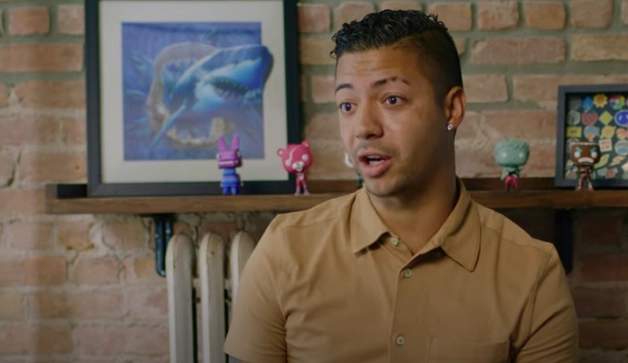
Ozzy S., Freedom client²
“Right away, I had more money each month because of program costs so much less than what I was paying on my minimums.”


When you’re carrying a lot of debt, it can feel like every dollar has a job before it even reaches your bank account. Minimum payments eat up your paycheck, and progress can feel slow or impossible. Even so, there are ways to start loosening debt’s grip and moving toward a more manageable situation.
You’ve got options, and just reading about ways to manage your debt is a great start. It’s possible to move forward and make progress toward becoming debt-free. If you’re willing to make some financial changes, you may be better equipped to prioritize your debt payoff goals.
Here are a few money moves that could help you deal with debt this year.
Review Your Spending and Outline a New Budget
If you’re not keeping careful track of your spending, you may not realize where all your money is going every month. And if you feel like you have little money left over after paying your bills, it can be difficult to prioritize debt repayment.
A careful look at your spending could help you identify some spending changes you may need to make. To get started, review your bank and credit card statements from the last three to six months. You should get a clearer picture of your financial situation.
As you review your spending, take a few notes on ways to make improvements. You may realize you’re overspending on certain types of transactions or paying for memberships or subscriptions you rarely use.
Next, you're ready to make changes, including setting spending limits with a new budget. Budgeting can make a big difference in improving your financial health. Calculate how much you can afford to spend on debt repayment and include that amount in your new monthly budget. When you treat debt repayment like a must-pay bill, it'll be easier to make progress.
Consolidate Your Debt
It can be a struggle to manage multiple monthly debt payments. Consolidating your debt could help make debt repayment more manageable. Debt consolidation could simplify debt repayment by combining multiple high-interest debts into a single monthly payment.
If you qualify for a debt consolidation loan with a lower interest rate than your existing debts, you could also save money. Reduced monthly payments could help you get rid of debt sooner.
You may want to consider this money move if you’re navigating multiple debts that feel unmanageable.
Stop Using Credit Cards
If you have credit card debt, keep your credit card usage to a minimum. The best strategy might be to stop charging purchases to your cards until you pay off your credit card debt.
Credit card interest rates are often very high. If you carry a balance from month to month, interest will accrue. If you keep using your cards, your balance will grow even faster. This is how credit card debt can spiral out of control. Consider stashing your credit cards until your debt is gone.
Pay off High-Interest Debt
When choosing a debt repayment strategy, it’s essential to consider how it will affect your debt repayment over the long term. If you’re busy making extra payments on your debt but the results feel slow going, it may be time to consider a new approach to repayment.
The debt snowball and debt avalanche are two popular debt repayment methods. With the debt snowball method, you make extra payments on your smallest debt first, regardless of its interest rate. You’ll likely notice more immediate results as you eliminate your smallest debts.
Switching to the debt avalanche method could save you money in the long run. This debt repayment strategy focuses on targeting your highest-interest debt first.
You’ll put any extra money toward your debt with the highest interest rate until it’s wiped out. Then you’ll move on to the next highest-interest debt, and so on. This strategic move could enable you to pay less interest overall.
Increase Your Income
Your income plays a part in your debt payoff journey. How much money you bring in every month will dictate how much you can afford to put towards debt repayment. If you're struggling to make a dent in your debt, it may be time to look for ways to increase your income.
Here are a few ways you could boost your income:
Get a part-time job or a side hustle
Replace your current job with one that pays more
Apply for a promotion
Ask for a raise
Sell unused items around your house online
Rent out a room in your home or move in with a roommate
Even a slight increase in income could help. The more money you’re able to allocate towards debt repayment, the faster you could reach a life free of debt.
Stay the Course
Don’t give up on being able to shut the door on debt. A debt-free financial future is possible. Making some changes, like these money moves to help you deal with debt in 2026, could help you reach your goals sooner.
If you’re struggling to navigate your debt, it’s okay to ask for help. You may want to speak with a debt relief company if your debt has become overwhelming. Experts are available to explain your debt relief options and answer some frequently asked questions. It may be easier to make a decision on how to move forward once you understand your options.
Insights into debt relief demographics
We looked at a sample of data from Freedom Debt Relief of people seeking debt relief during October 2026. The data provides insights about key characteristics of debt relief seekers.
Credit utilization and debt relief
How are people using their credit before seeking help?
Credit utilization measures how much of a credit line is being used. For example, if you have a credit line of $10,000 and your balance is $3,000, that is a credit utilization of 30%. High credit utilization often signals financial stress.
We have looked at people who are seeking debt relief and their credit utilization. (Low credit utilization is 30% or less, medium is between 31% and 50%, high is between 51% and 75%, very high is between 76% to 100%, and over-utilized over 100%). In October 2026, people seeking debt relief had an average of 74% credit utilization.
Here are some interesting numbers:
Credit utilization for debt relief seekers
| Credit utilization bucket | Percent of debt relief seekers |
|---|---|
| Over utilized | 30% |
| Very high | 32% |
| High | 19% |
| Medium | 10% |
| Low | 9% |
The statistics refer to people who had a credit card balance greater than $0.
You don't have to have high credit utilization to look for a debt relief solution. There are a number of solutions for people, whether they have maxed out their credit cards or still have a significant part available.
Home-secured debt – average debt by selected states
In October 2026, 25% of the debt relief seekers had a mortgage. The average mortgage debt was $236504, and the average monthly payment was $1882.
Here is a quick look at the top five states by average mortgage balance.
Home-secured debt - top 5 states
| State | % with a mortgage balance | Average mortgage balance | Average monthly payment | |
|---|---|---|---|---|
| California | 20 | $391,113 | $2,710 | |
| District of Columbia | 17 | $339,911 | $2,330 | |
| Utah | 31 | $316,936 | $2,094 | |
| Nevada | 25 | $306,258 | $2,082 | |
| Massachusetts | 28 | $297,524 | $2,290 |
The statistics are based on all debt relief seekers with a mortgage loan balance over $0.
Housing is an important part of a household's expenses. Remember to consider all your debts when looking for a way to get debt relief.
Regain Financial Freedom
Seeking debt relief can be the first step toward financial freedom. Are you struggling with debt? Explore options for debt relief to regain control of your finances. It doesn't matter how old you are or what your FICO score or credit utilization is. Take the first step towards a brighter financial future today.
Show source
Author Information

Written by
Natasha Etzel
Natasha is a contributing writer for Freedom Debt Relief. She is a veteran professional financial writer. She provides realistic strategies to help readers improve their knowledge and change their financial situations.

Reviewed by
Kimberly Rotter
Kimberly Rotter is a financial counselor and consumer credit expert who helps people with average or low incomes discover how to create wealth and opportunities. She’s a veteran writer and editor who has spent more than 30 years creating thousands of hours of educational content in every possible format.