


How to Manage Debt as a Freelancer or Gig Worker

- Income fluctuations can be one big challenge of managing your finances as a freelancer or gig worker.
- Navigating debt while managing additional financial responsibilities, such as quarterly estimated taxes, often requires extra care.
- You can make changes to how you handle money to make self-employed finances easier to manage.
Table of Contents
Free up cash each month with Freedom Debt Relief
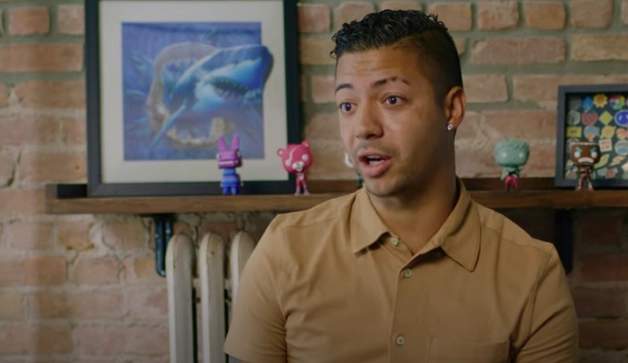
Ozzy S., Freedom client²
“Right away, I had more money each month because of program costs so much less than what I was paying on my minimums.”


If you’re a freelancer or gig worker, your finances may look quite different from those of a regular employee. Fluctuating income, self-employment taxes, and budgeting for business costs are unique financial challenges the self-employed must navigate.
Those financial challenges can be especially tricky when it comes to paying off debt. You're not stuck with it forever, though. You can make changes to your money management that could help you get on top of your debt—and your finances overall. Start with these suggestions for how to manage debt as a freelancer or gig worker.
Build a Savings Buffer for Slower Months
Most freelancers, regardless of experience level, go through income fluctuations. Clients may shift strategies; seasonal lulls may occur, and you may experience gaps between projects. When money is tight, you may find that you can’t make minimum payments on your debts, or can’t swing any extra payments.
Your best bet is to plan for slow periods ahead of time. One way to do this is to contribute extra cash to your emergency fund when work is plentiful, or set up a debt-specific savings account to keep up with payments.
If your income is regular enough, consider setting up an automatic transfer to your savings each month. If that’s not possible, make a point to contribute when you can. Try to set small, manageable goals for each project or set time period.
With that savings buffer, you can usually keep making payments on your debt even when your income is less plentiful. And when work is busy and money is good, it’s often an excellent idea to use some of your income to make extra debt payments. But keep contributing to your savings account, so you can keep up with your debt repayment plan when work is slow.
Increase Your Income
Whether you’re a freelancer or an employee, if you’re not bringing in more money than you're spending, you’re limited in how quickly you can pay down your debt. Increasing your income may be a challenge, but it can help a lot.
Since you can’t ask for a raise or apply for a promotion like an employee, you have to get creative in looking for ways to increase your freelance income.
Here are some ideas to explore.
Ramp up your marketing efforts to bring in more customers or clients.
Increase your prices if possible (be sure to give advance notice).
Expand your product or service offerings—is there an additional skill you might offer clients?
Ask around to find new opportunities, especially if you haven’t checked in in a while with people who’ve been good sources of past referrals.
If it opens up new possibilities, consider changing your schedule to work on different days or at different times of day.
Every extra dollar you earn could make a difference in your debt payoff journey.
Avoid Taking on New Debt
Another tip for how to manage debt is to take extra care in avoiding new debt. If you have credit card debt, consider keeping your credit cards out of reach so you’re not tempted to use them. Since credit cards have high interest rates, using them could mean your debt quickly spirals.
Only charge things if you have the money to pay off the purchase already, or stick with cash or a debit card if you're concerned about temptation to spend. Another tip that may help you avoid new debt is to delete any shopping apps on your phone. You may also find it helpful to log out of shopping accounts on your phone and computer.
Tackle High-Interest Debt First
Speaking of high-interest debt: It’s in your best interest to tackle this kind of debt first. Instead of prioritizing extra payments to multiple debts or your lowest-balance debt, target the debt with the highest interest rate first. This debt repayment strategy is called the debt avalanche method.
Here’s how it works:
Each month, make minimum payments on all your debts.
Target extra payments to your debt with the highest interest rate.
Keep doing this until the highest-interest debt is paid off.
Then move on to the next debt with the highest interest rate. Transfer the amount you were paying for the first debt to it (in addition to its minimum payment).
Continue this approach until all your debt is gone.
This strategy for how to manage debt can save you money in the long run. By paying down high-interest debt first, you save money in interest fees, and can make it out of debt sooner.
Consolidate Your Debt
If you’re struggling to navigate multiple debts while freelancing or doing gig work, you may want to explore debt consolidation. With consolidation, you take out a new loan and use the funds to pay off multiple debts. You make monthly payments on your new loan until the balance is paid off.
If you qualify for a debt consolidation loan with a lower interest rate than those of your existing debts, this strategy could save you money and help you get out of debt sooner. It could also lower your monthly debt payments, which can improve cash flow as you navigate freelancing.
Get Help If You Can't Afford Your Debt
Your dreams of living a debt-free life are possible. Every step you take to repay your debt is progress. But there may be a time when you simply can't afford to repay your debts. That may be when you consider credit card debt relief options.
In particular, debt settlement may be a good fit if you have a lot of credit card or personal loan debt that you can't afford. Creditors may accept an offer to settle your debt for less than you owe and agree to forgive the rest if you can show the full balances are beyond your means. You could negotiate a settlement yourself or hire a professional debt settlement company.
Author Information

Written by
Natasha Etzel
Natasha is a contributing writer for Freedom Debt Relief. She is a veteran professional financial writer. She provides realistic strategies to help readers improve their knowledge and change their financial situations.

Reviewed by
Kimberly Rotter
Kimberly Rotter is a financial counselor and consumer credit expert who helps people with average or low incomes discover how to create wealth and opportunities. She’s a veteran writer and editor who has spent more than 30 years creating thousands of hours of educational content in every possible format.