


How Americans Really Feel About Debt, and Why Talking Helps

ByRebecca Lake
UpdatedSep 17, 2026
- Over 3 in 5 survey respondents (62%) ranked credit card debt the most stressful debt they carried.
- Nearly 1 in 2 with debt (48%) had kept a debt secret from someone close to them.
- More than 1 in 3 (37%) had never told anyone about a debt they were carrying.
- Nearly 1 in 4 (23%) had hidden a debt, or its true size, from their partner or spouse.
- A quarter of respondents with debt (25%) named credit card debt the biggest dealbreaker to a future with a partner.
- About 1 in 4 (24%) felt relief after finally telling someone about a debt.
Table of Contents
Free up cash each month with Freedom Debt Relief
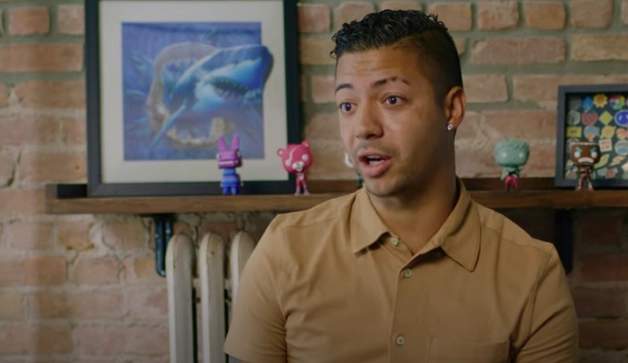
Ozzy S., Freedom client²
“Right away, I had more money each month because of program costs so much less than what I was paying on my minimums.”


Money is personal and so is debt. How people feel about what they owe can matter as much as the number itself. Freedom Debt Relief surveyed 1,003 U.S. adults who carry debt to learn how they rank what they owe by the stress each debt brings, rather than by size, and how talking about it changes things.
The survey found that how openly people dealt with a debt mattered as much as the amount they owed. The findings show which debts survey respondents found hardest to carry, who they told, and what helped most.
The most stressful debts to carry
When people ranked their debts by stress instead of size, the same few rose to the top.
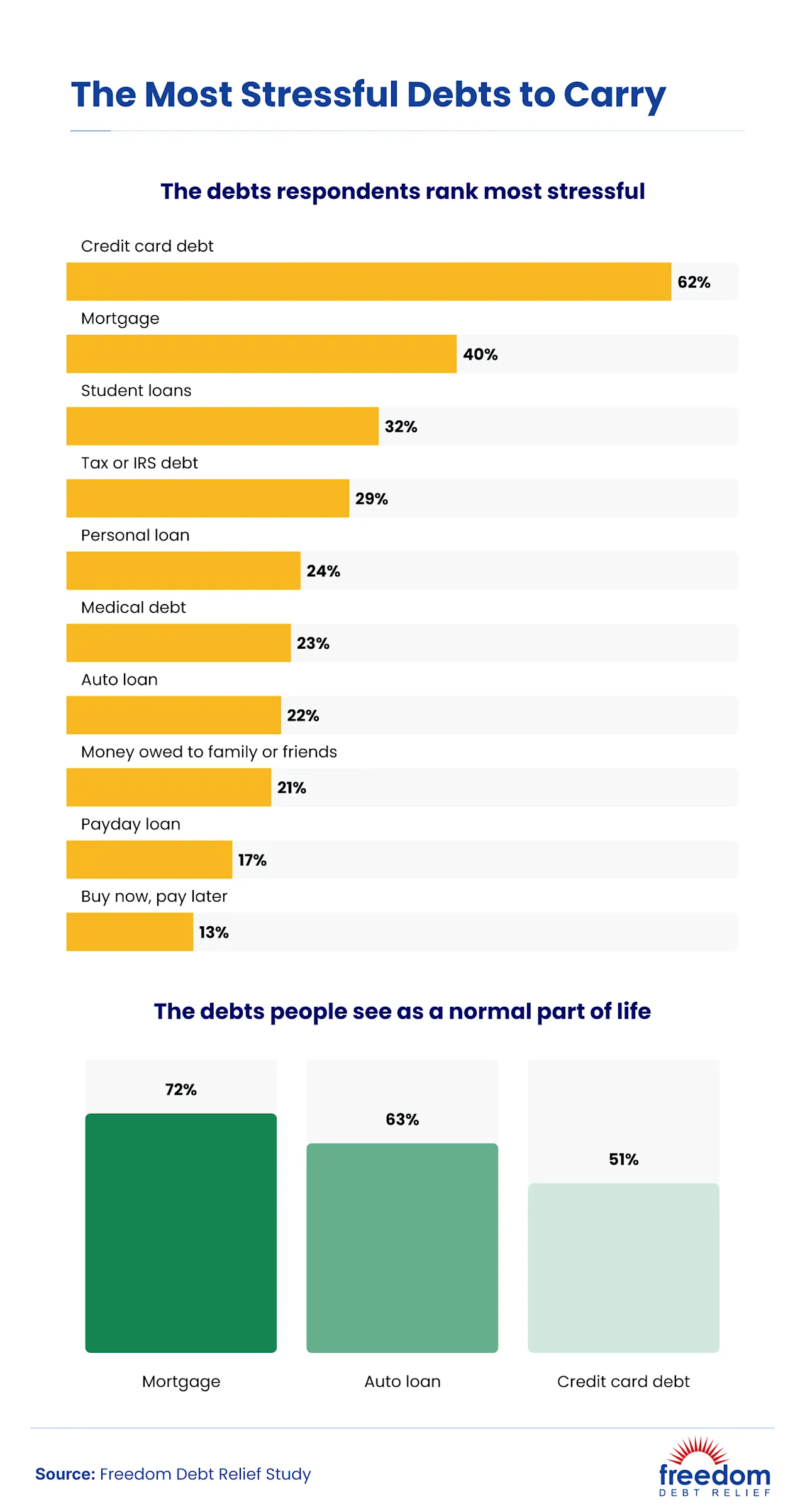
Credit card debt sat at the top of the list. Over three in five people (62%) called it the most stressful debt they carried. Money owed to family or friends stood out in a different way. Nearly 1 in 5 people with debt (19%) said it was a debt they would least want others to know about, a sign of how personal borrowing from loved ones can feel.
Buy now, pay later occupied a middle ground. Most people with debt (68%) still counted it as real debt, even though it landed near the bottom of the stress ranking.
Other debts felt routine by comparison. Many people saw borrowing as a normal part of adult life, with nearly three-quarters (72%) counting a mortgage as ordinary. Younger adults were especially matter-of-fact, and about two-fifths of Gen Z respondents (41%) saw even medical debt as a normal part of adulthood.
The debts we keep to ourselves
For a lot of people, the hardest part of debt is admitting it to someone else.
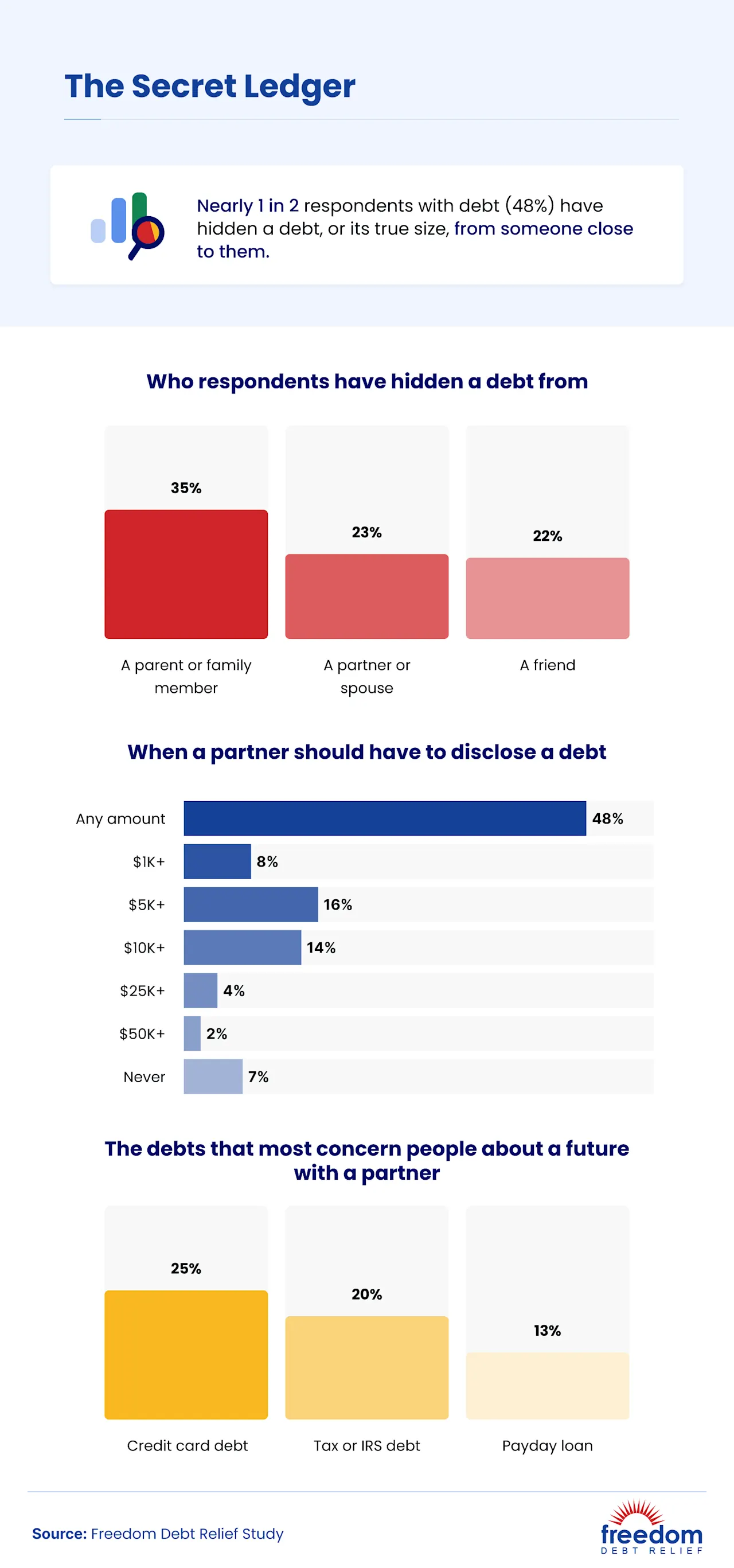
Hiding debt turned out to be common. Almost half of people with debt (48%) had kept it secret from someone close to them, and nearly a quarter (23%) had hidden a debt, or its true size, from their own partner or spouse. More than one-third (37%) had never told anyone about a debt they were carrying.
Some groups carried that secrecy more than others. More than half of Gen Z respondents (52%) had hidden a debt from someone close to them, and nearly a third of parents with a child under 18 (31%) had hidden one from their partner.
Debt did not always stay private, and its effects reached beyond the person carrying it. About 1 in 6 people with debt (16%) said it had affected their relationships with others.
Debt showed up in dating decisions, too. Credit card debt was the single biggest dealbreaker to a serious relationship, named by 25% of survey respondents. Among baby boomers, that figure rose to 31%. Still, most people believed debt should be shared at some point. Fewer than one-tenth of people (7%) said a partner should never have to disclose what they owe.
Talking about debt makes it lighter
For all the weight debt can carry, the survey pointed to something hopeful.
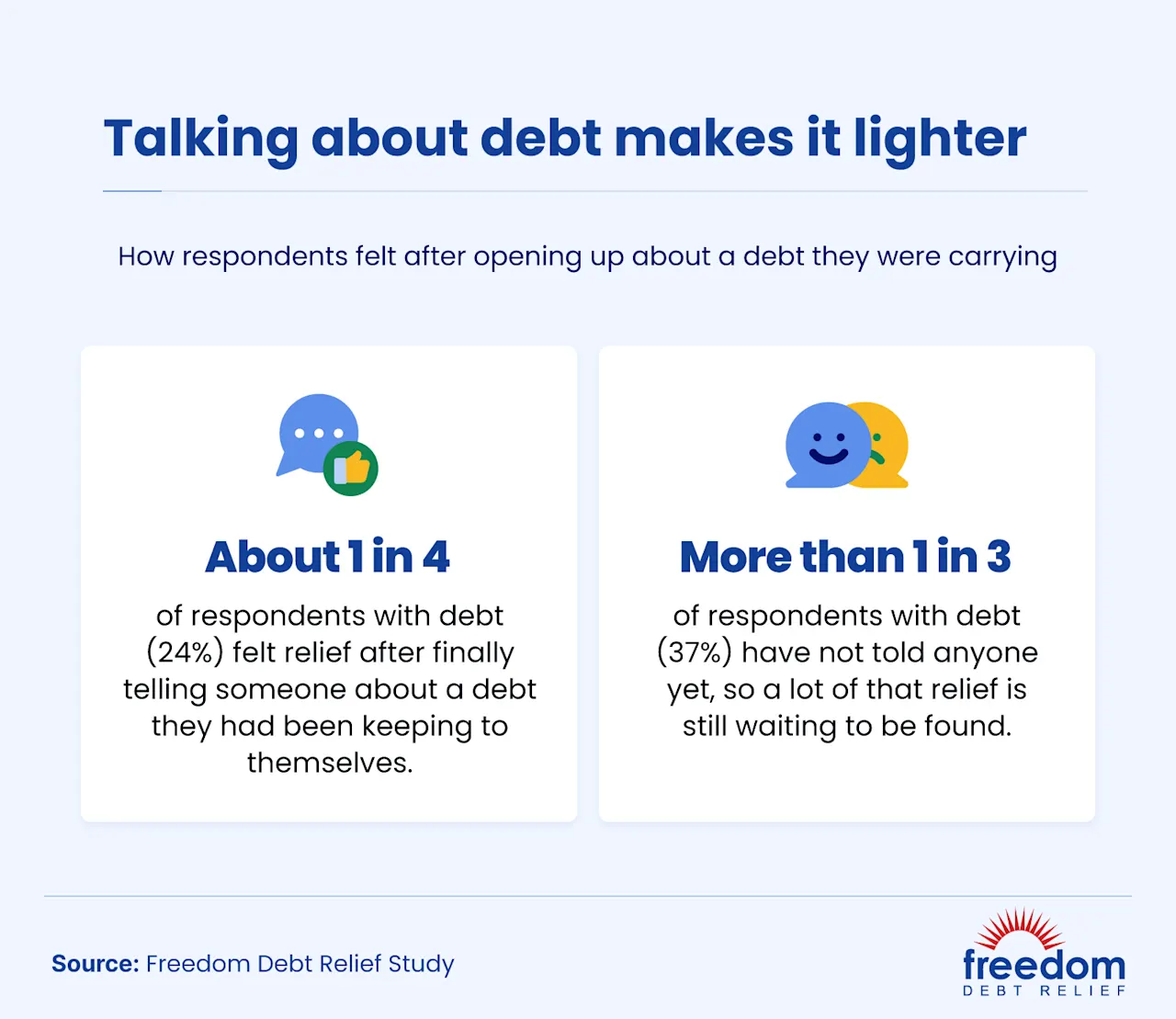
Talking about a debt can change how it feels to carry. In the survey, about 1 in 4 people with debt (24%) felt relief after finally telling someone, more than double the share who said speaking up made things worse (10%). Still, more than 1 in 3 (37%) had never told anyone at all, which suggests a lot of that relief is still waiting to be found.
If you're carrying a debt you've kept to yourself, you're in good company, since almost half of people with debt are doing the same. People often feel lighter once they say it out loud, to a partner, a friend, or a professional who can explain options like debt settlement.
Moving forward
Debt is rarely just about the numbers. How people feel about what they owe, and whether they talk about it, shapes their experience as much as the balance does. The hopeful part is that no one has to carry it alone. Saying a debt out loud, to a partner, a friend, or someone trained to help, is often the first step toward feeling in control of it again.
Methodology
Freedom Debt Relief surveyed 1,003 U.S. adults who carry debt to understand how survey respondents think and feel about different kinds of debt, and how the stress of debt shapes their financial and personal lives. The average age of respondents was 42. The gender breakdown was 59% women, 40% men, and 2% who preferred not to say or self-described. Millennials made up the largest share of respondents (49%), followed by Gen X (25%), Gen Z (17%), and baby boomers (8%). Freedom Debt Relief conducted the survey online in July 2026.
About Freedom Debt Relief
Freedom Debt Relief helps everyday people take on the debt that's weighing them down, primarily by negotiating and settling unsecured debts like credit card balances. The company also publishes free guides and tools so people can understand their options and feel less alone with what they owe. If your debt has started to feel like too much to carry on your own, you can explore ways to tackle it at Freedom Debt Relief.
Fair use statement
You're welcome to share the findings and graphics from this report for any noncommercial use. If you do, please credit Freedom Debt Relief with a link back to this page so readers can explore the full study.
Author Information

Written by
Rebecca Lake
Rebecca Lake has over a decade of experience as a money expert, researching and writing hundreds of articles on retirement, investing, budgeting, banking, loans, saving money, and more. She has been published in over 20 online finance publications, including SoFi, Forbes, Chime, CreditCards.com, Investopedia, SmartAsset, Nerdwallet, Credit Sesame, LendingTree, and more.