
How to Avoid Car Repo
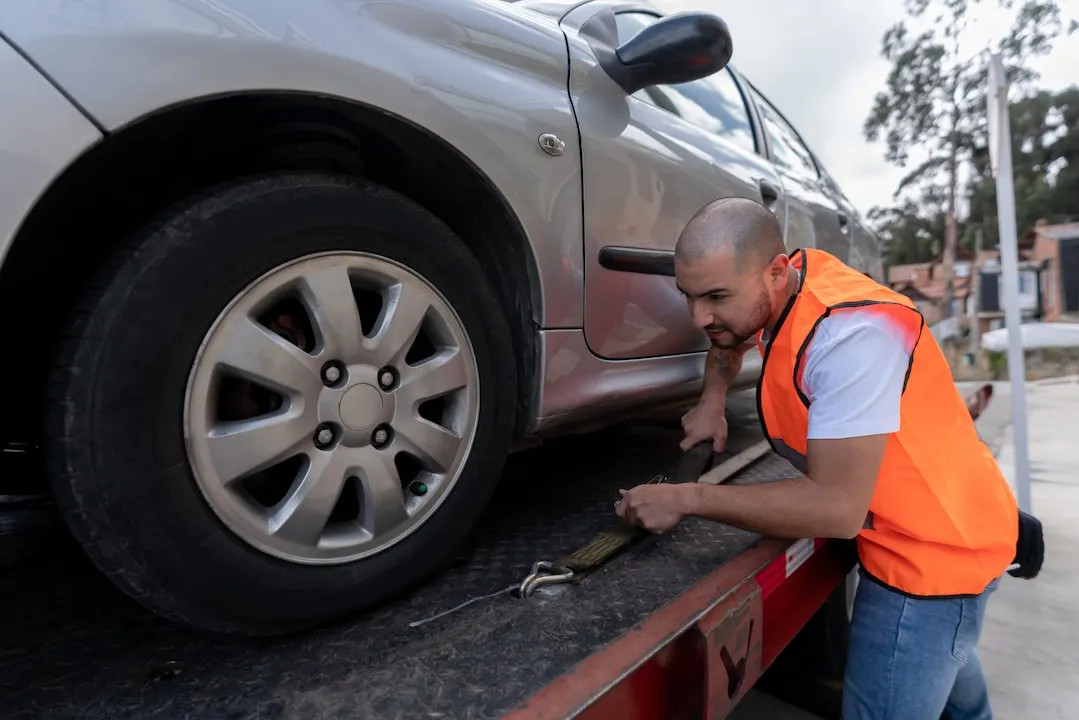
- Falling behind on auto loan payments puts you at risk of having your car repossessed.
- It's best to contact your auto lender before missing payments to learn what options you have.
- If you're at risk of car repo, you still have rights.
Table of Contents
Most American households (about 92%) own at least one car, and that’s not surprising. We rely on our cars to get to work, run errands, and basically keep our lives functioning smoothly.
When life happens you might find yourself falling too far behind on your auto loan payments, which puts you at risk for having your car repossessed. Life without a car could be extremely difficult and potentially put your job at risk. It could also damage your credit score, making it harder to borrow money when you need to.
Missing a car payment or two doesn't automatically mean you're at risk of car repo. Let's take a look at what typically leads to having a car repossessed and how you could avoid car repo.
Why Car Repossession Happens
When your auto lender writes you a loan, they expect to get repaid. If you don't make your payments, they have the right to repossess your vehicle.
Auto loans are secured loans, which means your lender can take possession of the asset that guarantees the loan: your car. If your lender is forced to repossess your car, they can sell it to try to get repaid.
How Soon After Missing a Payment Are You at Risk of Car Repo?
In many states, you could technically have your car repossessed after missing a single payment. However, the car repo process can be lengthy and annoying for auto lenders. So in many cases, they may not begin the car repo process until you're 90 days behind on your loan payments.
What Happens if Your Car is Repossessed?
If your car is repossessed, your lender can try to sell the vehicle to get repaid. That doesn't necessarily erase your debt.
You may still owe money on the balance of your loan, including interest and other fees associated with repossessing your vehicle. If you don't pay that debt, your lender could turn it over to a collection agency.
Car repo could also have a negative impact on your credit score. Repossession will generally show up on your credit report and take up to seven years to fall off.
How to Avoid Car Repo
Having your car repossessed could put you in a world of stress and damage your credit score. Here are the steps you can take to avoid having your car repossessed.
Contact your lender before missing a payment
If you're going through a financial hardship, like an illness or loss of a job, and you realize you won't be able to make your upcoming car payment, contact your lender at once. They may offer a hardship program you qualify for, or they may agree to let you pause your loan payments temporarily.
If you can't get to your lender before missing a payment, contact them as soon as possible after missing a payment to discuss the situation.
When you talk to your lender, document everything. If your lender agrees to let you pause payments, ask them to send you something in writing.
Find out if you can refinance your loan
If you're struggling to keep up with your car payments, refinancing your auto loan could lower your payments. Refinancing could make sense if borrowing rates have dropped since you signed your loan or if your credit score has improved since your loan was signed.
Sell or trade in your car
If your car is worth more than what you owe on your auto loan, and you're struggling to make your loan payments, selling your car or trading it in for a cheaper vehicle could help you avoid repo. You could use the sale or trade-in proceeds to pay off your lender or stay current on your loan.
Surrender your car voluntarily
If you can't sell your car for enough to pay off your auto loan balance, you can surrender it to your lender voluntarily. This will generally still cause some damage to your credit score.
After you surrender your car, the lender will sell it. If they don’t get enough money to satisfy your loan, the remaining amount is called a deficiency balance and you still owe it. This debt is unsecured, since the collateral (the car) for the original car loan is now gone. A deficiency balance is eligible for debt settlement.
How to Park Your Car to Avoid Repo
If you want to avoid car repo, your best bet is to park your car in a secure spot that's locked. While car repo agents can seize cars from street parking and driveways, they generally can’t break into locked structures to seize a vehicle. If you have a private garage, whether attached to your home or not, a repo agent isn’t allowed to enter without authorization.
Know Your Rights
If your car is at risk of being repossessed, know what rights you have in this situation. Repo agents generally can’t use force, threats, or intimidation to get access to your vehicle. They also can't use or carry weapons in the course of repossessing a vehicle. If you feel your rights have been violated, you may want to contact an attorney.
Get Help Managing Your Debt
If you've having a hard time managing your debt and your monthly payments are overwhelming, help is available. Reach out to a professional debt relief company to explore your options. Depending on your situation, debt consolidation or debt settlement may be good strategies for you.
Insights into debt relief demographics
We looked at a sample of data from Freedom Debt Relief of people seeking debt relief during February 2026. The data provides insights about key characteristics of debt relief seekers.
Debt relief seekers: A quick look at credit cards and FICO scores
Credit card usage varies significantly across different age groups, reflecting diverse financial needs and habits.
In February 2026, the average FICO score for people seeking debt relief programs was 592.
Here's a snapshot by age group among debt relief seekers:
| Age group | Average FICO 9 credit score | Average Credit Utilization |
|---|---|---|
| 18-25 | 575 | 82% |
| 26-35 | 582 | 79% |
| 35-50 | 588 | 77% |
| 51-65 | 589 | 75% |
| Over 65 | 603 | 70% |
| All | 592 | 74% |
Use this data to evaluate your own credit habits, set financial goals, and ensure a balanced approach to managing credit throughout your life.
Home-secured debt – average debt by selected states
According to the 2023 Federal Reserve Survey of Consumer Finances (SCF) (using 2022 data) the average home-secured debt for those with a balance was $212,498. The percentage of families with mortgage debt was 42%.
In February 2026, 25% of the debt relief seekers had a mortgage. The average mortgage debt was $236504, and the average monthly payment was $1882.
Here is a quick look at the top five states by average mortgage balance.
| State | % with a mortgage balance | Average mortgage balance | Average monthly payment | |
|---|---|---|---|---|
| California | 20 | $391,113 | $2,710 | |
| District of Columbia | 17 | $339,911 | $2,330 | |
| Utah | 31 | $316,936 | $2,094 | |
| Nevada | 25 | $306,258 | $2,082 | |
| Massachusetts | 28 | $297,524 | $2,290 |
The statistics are based on all debt relief seekers with a mortgage loan balance over $0.
Housing is an important part of a household's expenses. Remember to consider all your debts when looking for a way to get debt relief.
Support for a Brighter Future
No matter your age, FICO score, or debt level, seeking debt relief can provide the support you need. Take control of your financial future by taking the first step today.
Show source
Author Information

Written by
Maurie Backman
Maurie Backman is a personal finance writer with over 10 years of experience. Her coverage areas include retirement, investing, real estate, and credit and debt management.

Reviewed by
Kimberly Rotter
Kimberly Rotter is a financial counselor and consumer credit expert who helps people with average or low incomes discover how to create wealth and opportunities. She’s a veteran writer and editor who has spent more than 30 years creating thousands of hours of educational content in every possible format.
How many missed payments does it take before my car can be repossessed?
In many states, a lender can repossess a vehicle after just one missed auto loan payment. But your lender might wait until you’re 60 to 90 days behind.
Will I still owe money after my car is repossessed?
Yes. You may still owe money on your auto loan after your car is repossessed. You may also have to pay repo fees.
Will filing for bankruptcy help me avoid car repo?
Once you file for Chapter 7 bankruptcy, creditors, including your auto lender, have to stop collection activities. You may be protected from car repo, at least temporarily.