Budget
Variable Expense
Variable expense summary:
Variable expenses are costs that differ from month to month.
While variable expenses may differ, you can predict many of them to some extent.
Budgeting techniques like keeping some money in reserve and using credit selectively can help you manage variable expenses.
Variable Expense Definition and Meaning
Variable expenses are those that can differ from month to month. The differences in amount can make budgeting less predictable. However, that same variability can also give you some flexibility in making ends meet.
Key Attributes of Variable Expenses
Variable expenses are things that you regularly spend money for, but the amounts may differ significantly from month to month.
Those differences might be because of how much you spend. They may also be because you have some flexibility in how much you have to pay every month.
The tricky part about variable expenses is that you have to leave room for them in your budget, but you can’t always be sure exactly how much you’ll need. However, if you learn to manage that variability, it can work in your favor. It can help you cut expenses at times when money is especially tight.
Examples of Variable Expenses
Here are some examples of variable expenses:
Grocery costs
Utility bills
Medical bills
Credit card payments
Spending on entertainment
Transportation costs
Clothing purchases
Repairs
While these expenses all vary, some are more unpredictable than others. For example, your grocery costs may change from week to week, but over time the amount you spend will generally fall within a fairly predictable range.
On the other hand, medical bills and repairs can come completely out of the blue. Not only are these unpredictable expenses, but they also tend to cost a lot more than your normal expenses.
The other thing about variable expenses is that you have more choice about some of them than others. Your grocery bills may vary, but you have to buy food regularly. On the other hand, entertainment costs are things you can do without if necessary.
Managing Variable Expenses
So how do you budget for variable expenses? Isn’t that like trying to predict the unpredictable?
To some extent that’s true. Then again, coping with the unexpected is a big part of life. There are a few ways of making variable expenses more manageable.
Figure out what’s normal
Look at your spending history. For example, your grocery bills may jump around from week to week. However, if you look at several months’ worth, you can figure out the average. You can also see what the highs and lows are. Knowing the average and the extremes can help you budget how much money you’ll need for expenses that change but happen regularly.
Identify which expenses are essential
Not all expenses are equally necessary. Some costs are variable and you have no choice but to pay them. Others, like dining out, you can skip if money’s tight. Recognizing which expenses you can do without can help you find money in your budget for unexpectedly large essential expenses.
Keep some money in reserve
Try to leave some room in your checking account to handle the highs and lows of certain expenses. For example, if you happen to have a light grocery bill one week, keep the extra money in your checking account to handle the next time the bill is higher. You should also try to build up an emergency fund to handle larger unexpected bills, like home or car repairs or medical costs.
Use credit, but pick your spots
Having access to credit can give you some flexibility to handle variable expenses. For example, using a credit card can help you handle times when you’re caught a little short. A loan can be a way of paying back a larger unexpected expense over time. Just remember to budget before you borrow and create a plan to pay back what you owe. That way you can use credit to smooth out variable expenses without always getting deeper in debt.
Variable Expense FAQs
Plan ahead. For example, let’s say you spend $200 every year on back-to-school clothes for your child. Instead of trying to come up with that money all at once, start saving $20 a month 10 months earlier.
You should save borrowing for truly unexpected, big-ticket expenses. Borrowing can make that expense affordable by letting you pay for it over time. Just make sure you figure out in advance how you’re going to find room in your budget to make those payments.
Definitely. You might splurge on a trip now and then, and this creates a big variable expense. However, you can do without that trip if money’s tight. On the other hand, you need to buy groceries and pay your utility bills without interruption. You can try to save money on those things, but you can’t eliminate them from your budget completely.
Related Articles

Find out how a budget could help you save more money—even if you hate math. We have 5 easy ways to keep you on track with minimal math.
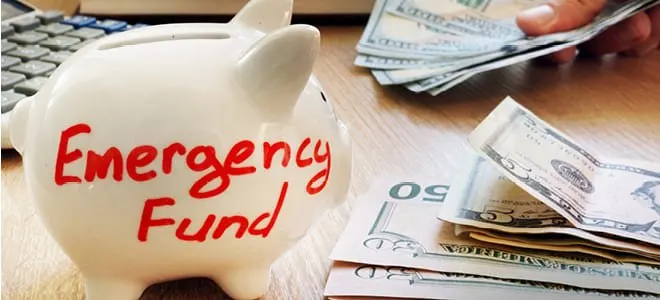
Learn exactly how to start an emergency fund, where to keep it, and how to keep it going.

Debt stress can have physical and mental symptoms that impact your life and relationships. Try these tips to manage debt stress and take control of your debt.
Find out how a budget could help you save more money—even if you hate math. We have 5 easy ways to keep you on track with minimal math.
Learn exactly how to start an emergency fund, where to keep it, and how to keep it going.
Debt stress can have physical and mental symptoms that impact your life and relationships. Try these tips to manage debt stress and take control of your debt.